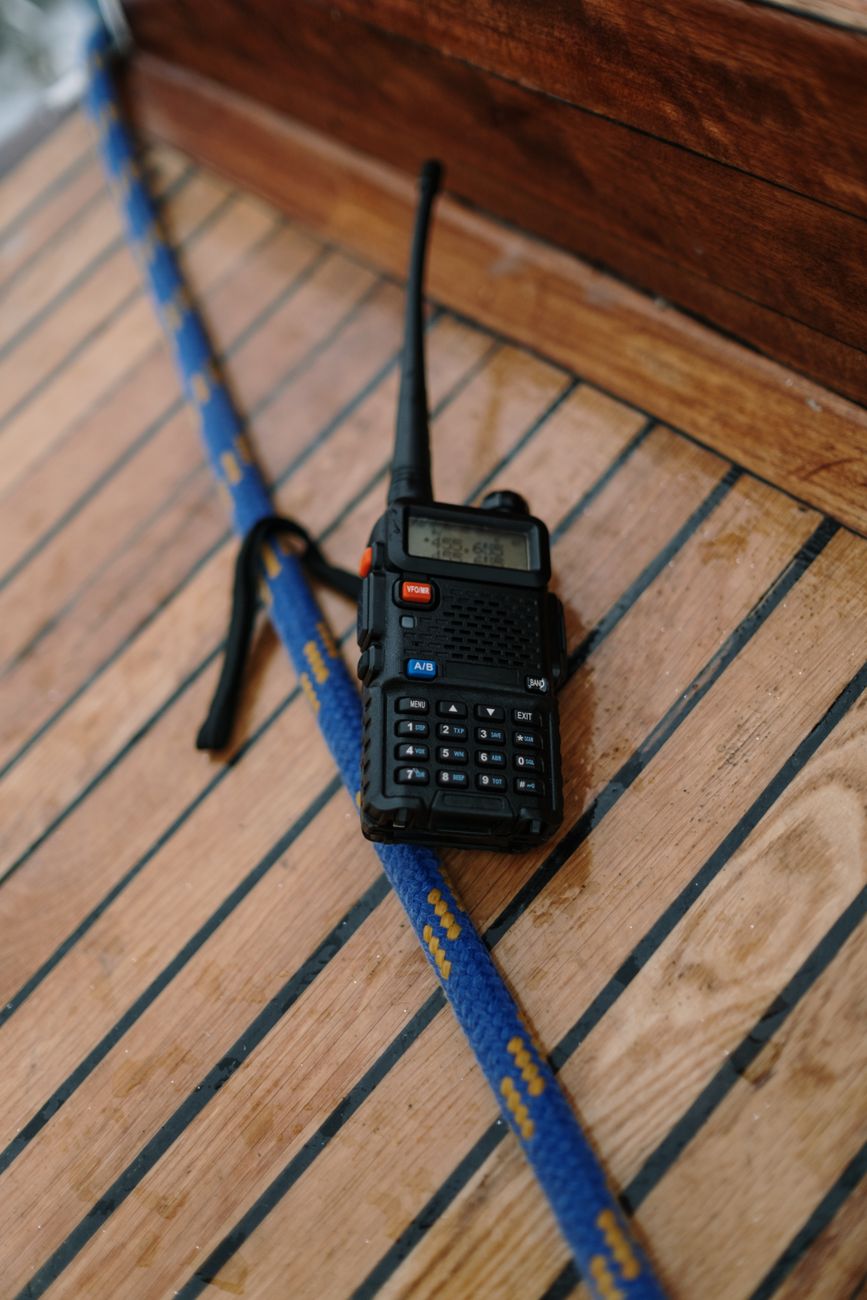
A new open-source project called tcom turns an ordinary terminal into a surprisingly complete encrypted communications rig, packing push-to-talk voice, text chat, and even video messages into a two-file application that routes everything through Tor. There are no accounts, phone numbers, or central servers involved, as you simply start Tor, generate an onion address, share it with another user, and that .onion hostname effectively becomes your phone number. The project was created in June 2026 and combines an earlier Bash-based “terminalphone” project with an ASCII-video tool called “terminalcam.”
The voice side works more like a walkie-talkie than Discord, as you hold the space bar to record, release it, and tcom compresses the audio with Opus, encrypts it, and sends it through a Tor connection to the other machine. Users can hit T for encrypted text chat or V to record a video message, while the program also throws in delightfully unnecessary extras including configurable voice changers, push-to-talk notification sounds, onion-address rotation, and Tor Snowflake support for getting around network censorship. It runs on Linux and macOS as well as Android through Termux.
Video is where tcom gets particularly interesting, as rather than attempting to ram a conventional live video stream through a terminal, its Python component captures the camera with FFmpeg and converts the image into animated ASCII art, optionally including 24-bit terminal color. Recordings are stored in a custom .tcam format using delta encoding, zlib compression, color quantization, and duplicate-frame skipping, then synchronized Opus audio is bundled alongside it, encrypted, and sent to the recipient. Press P at the other end and the terminal plays the audio while rendering the ASCII footage, skipping frames when necessary to keep the two synchronized.
None of this requires some sprawling Electron client or hosted messaging backend, thanks to the reality that the entire application proper consists of tcom.sh, which handles the interface, networking, audio, encryption, and Tor plumbing, plus terminalcam.py for video, although it leans on major Unix tools including Tor, OpenSSL, socat, SoX, Opus, FFmpeg, and Python underneath. It is indeed the sort of project that feels like someone looked at modern communications software, got abjectly fed up, and built an encrypted Tor walkie-talkie with ASCII video to correct the situation. It is quite weird, but it does seem rather interesting at the end of the day.
Leave a Reply